
by Marie-Louise Fast
Share
by Marie-Louise Fast
Share
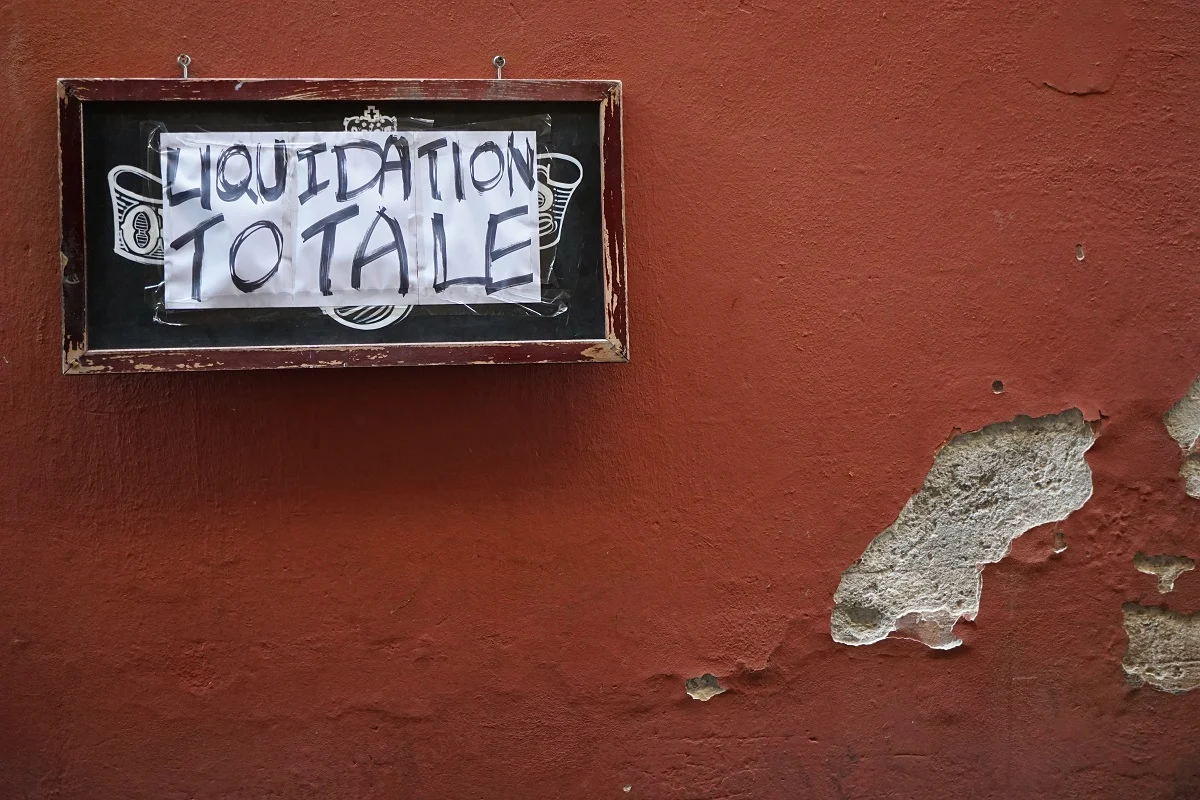
Being in charge of probate for an insolvent estate is truly a thankless task, yet if you have accepted this assignment, you must carry out your duties.
These types of estates are usually best administered by a lawyer, as now the executor will need to become familiar with not just British Columbian estate laws, but bankruptcy laws as well.
There are four main points where estate and bankruptcy laws intersect:
- When the decedent’s estate becomes insolvent due to legal consequences stemming from the person’s death, or at some point during the administration of the estate.
- When a person declares bankruptcy but dies before being completely discharged under the terms of the Bankruptcy and Insolvency Act.
- When the person drew up his or her will and estate plan, he or she anticipated that a beneficiary may file for bankruptcy, and thus, structured the estate so that the intended assets did not get seized by creditors.
- The executor becomes insolvent before the estate is administered.
An “insolvent estate” is legally defined as: “the real and personal estate of a deceased person that is not sufficient for the payment in full of the debts and liabilities of the deceased person.” While there are a number of ways this can play out, when the insolvency is a consequence of the testator’s death, these are some of the most common scenarios:
- Income taxes were owed at death that exceed the value of the estate.
- Capital gains taxes on assets that were passed to beneficiaries that did not have to go through probate, such as properties that pass-through right of survivorship to someone who is neither a spouse nor a dependent.
- Judgments against the decedent after he or she has died.
- Obligations for child or spousal support that were not satisfied by life insurance.
As an insolvent estate adds another layer of complexity to the probate process, executors are urged to seek legal guidance.
Source: Continuing Legal Education Society of British Columbia, “Insolvent Estates,” Shelley C. Fitzpatrick and Michelle L. Isaak, et al, accessed Oct. 07, 2016
An insolvent estate is where executor mistakes cost the most. Our probate and estate administration service can tell you where you stand before you pay anyone.
Related Posts:

In 2014 some changes were made to the Wills, Estates and Succession Act that affects residents of British Columbia. The changes are intended to modernize estate laws and make the probate process easier. Below are

Being named as executor of an estate is a solemn responsibility. While it may be a source of some pride to be named to such an important position, many would-be executors are understandably daunted by

There are many responsibilities thrust upon an estate administrator in British Columbia. Chief among them is putting the will through probate. This is an important process and requires completion before the estate can be administrated.

There are many stages the executor of an estate must navigate through when administering a will in British Columbia. One of the most important is probate. The purpose of probate is to convince a judge
