
by Marie-Louise Fast
Share
by Marie-Louise Fast
Share
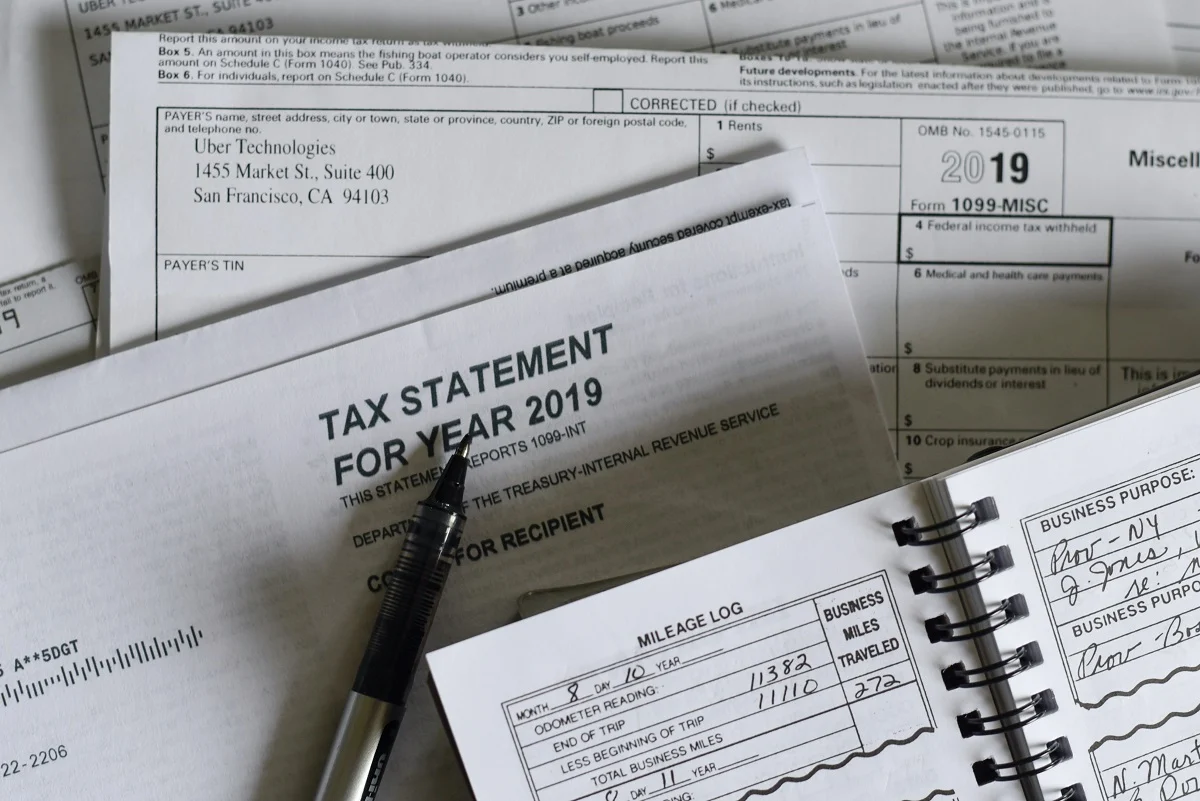
Even after a person has passed away, an obligation is still owed to the Canada Revenue Agency. In fact, the CRA is one of the most important contacts to be made by the executor during the process of estate administration. There are many final tax-related details that need to be taken care of after a taxpayer dies in British Columbia.
As the legal representative of the deceased, one needs to submit the date of death to the CRA as soon as can be managed. This can be done with a simple phone call, or by submitting a Request for the Canada Revenue Agency to Update Records form. A copy of the death certificate should also be sent in, along with proof of representation, such as the will or the grant of probate. As a side note, Service Canada should also be provided with the date of death.
It will be necessary, as the legal representative, to file taxes for any years the deceased did not file, file the deceased’s final tax return and pay any taxes owing from the estate. Some assets bequeathed by the deceased may be taxable, and it is up to the legal representative to inform beneficiaries if they have to pay taxes on anything left to them. In addition, the legal representative must claim any fees they receive as executor on a T4 slip when filing his or her own taxes.
Settling the tax situation of a deceased individual involves many steps and a lot of paperwork. It can be challenging for anyone with only a passing familiarity with the CRA and the taxation system. Having the assistance of experienced professionals from a British Columbia law firm can make this and other aspects of estate administration easier to understand. Learn more about how we can help with estate administration, or get in touch by calling 604-273-6424.
Source: cra.arc.gc.ca, “Legal representative”, Accessed on Dec. 19, 2016
CRA is one call on a long list. Our probate and estate administration service helps executors work through the rest in the right order.
Related Posts:

The executor of an estate in British Columbia has many responsibilities, all of them important. One of the key early steps in estate administration involves identifying and settling the debts of the estate. How this

The executor of an estate has numerous duties, though many people may assume it is just a matter of probating the will and distributing the assets. While those are the two main tasks of estate

For many British Columbia estates, the asset with the greatest value is the testator’s home. If there were no other occupants, and no other names on the title, the home is typically sold. This may

The duties of an executor or administrator of an estate are many and varied. The court takes estate administration seriously and assumes that the executor will perform his or her duties with care and diligence.
