
by Marie-Louise Fast
Share
by Marie-Louise Fast
Share
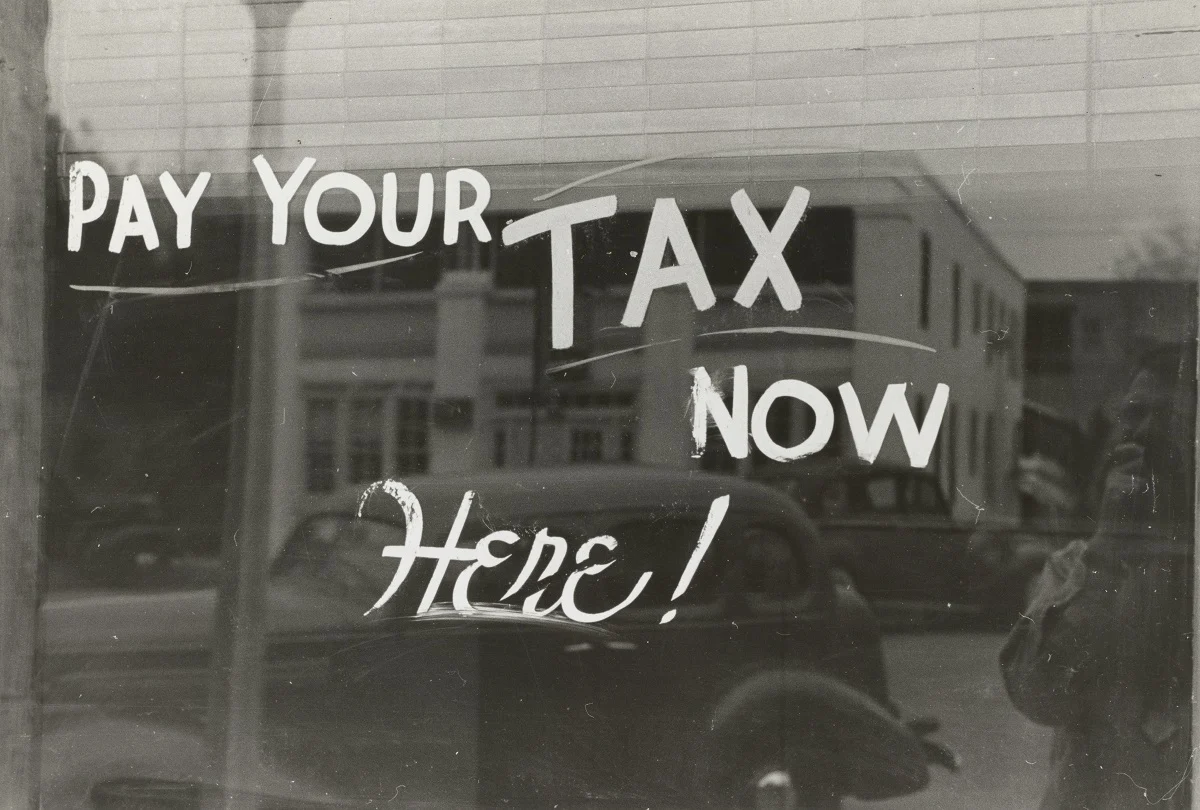
At no time during the life of a man or woman in British Columbia is that person happy to pay their taxes. Imagine the surprise of discovering one is responsible for the taxes of another person after they have passed away? That is exactly what happens during estate administration: the executor is required, as legal representative, to settle the tax situation of the estate.
The first priorities are to provide the Canada Revenue Agency with the date of death and make sure any outstanding taxes are paid from the estate as soon as possible. This would include any lump sum amount due, or installment payment that are unpaid, but were due prior to the date of death. Be warned that failure to pay taxes owing before dispensing the estate could leave the executor liable for the remaining balance. If requested, CRA will issue a certificate of clearance after all tax payments are up to date. While not mandatory, it provides irrefutable proof that taxes have been paid.
The CRA requires that a final return be filed on behalf of the deceased to account for all income generated from Jan. 1, until the date of death. A deadline for filing will be provided and it must be met to avoid incurring interest and penalties. If income is received by the estate after the date of death, it should be reported separately on a T3 Trust Income Tax and Information Return. Certain types of taxes may be reduced or eliminated by filing up to three optional returns. These vary in nature, and which, if any, are applicable will depend on the nature of the estate.
Taxes can be confusing at the best of times, and handling the estate of a deceased relative or loved one is never the best of times. It may be comforting to know that help is available. The executor may assign a representative to act on his or her behalf where taxes are concerned. Furthermore, an experienced and caring lawyer knowledgeable about estate administration in British Columbia can answer questions about taxes and more, and provide assistance throughout this difficult task.
Tax is where executors most often get caught. Through probate and estate administration, I work alongside your accountant so nothing is missed before money goes out.
Related Posts:
- During Estate Administration, CRA Must Be on the Contact List
- Things to Know About Debts During Estate Administration
Source: FindLaw Canada, “What taxes apply after a person dies?”, Miriam Yosowich, Accessed on Jan. 21, 2017

The executor of an estate in British Columbia has many responsibilities, all of them important. One of the key early steps in estate administration involves identifying and settling the debts of the estate. How this

The executor of an estate has numerous duties, though many people may assume it is just a matter of probating the will and distributing the assets. While those are the two main tasks of estate

For many British Columbia estates, the asset with the greatest value is the testator’s home. If there were no other occupants, and no other names on the title, the home is typically sold. This may
The duties of an executor or administrator of an estate are many and varied. The court takes estate administration seriously and assumes that the executor will perform his or her duties with care and diligence.
